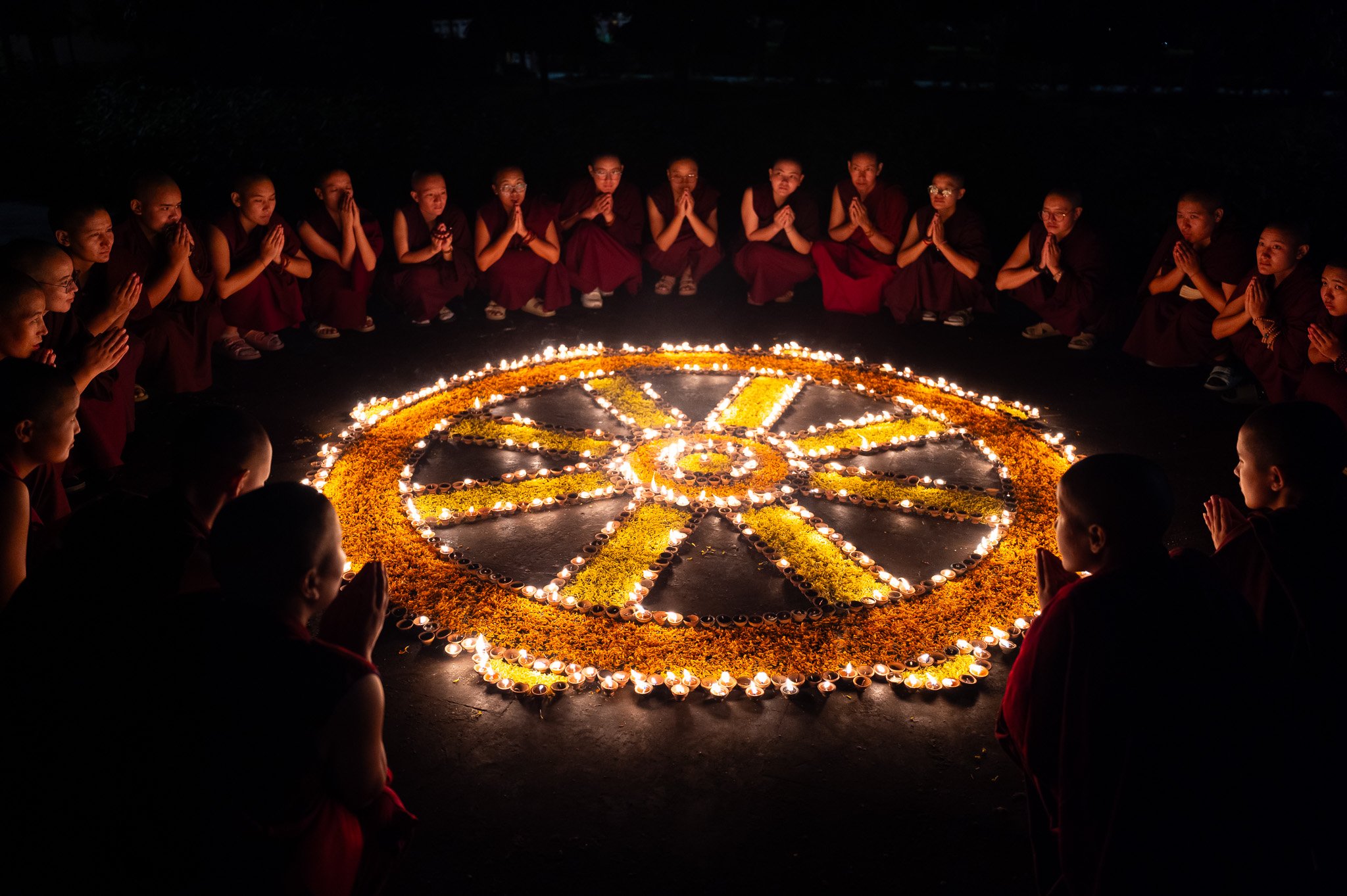
The Nuns of Spiti Valley Himalayas
currently in production
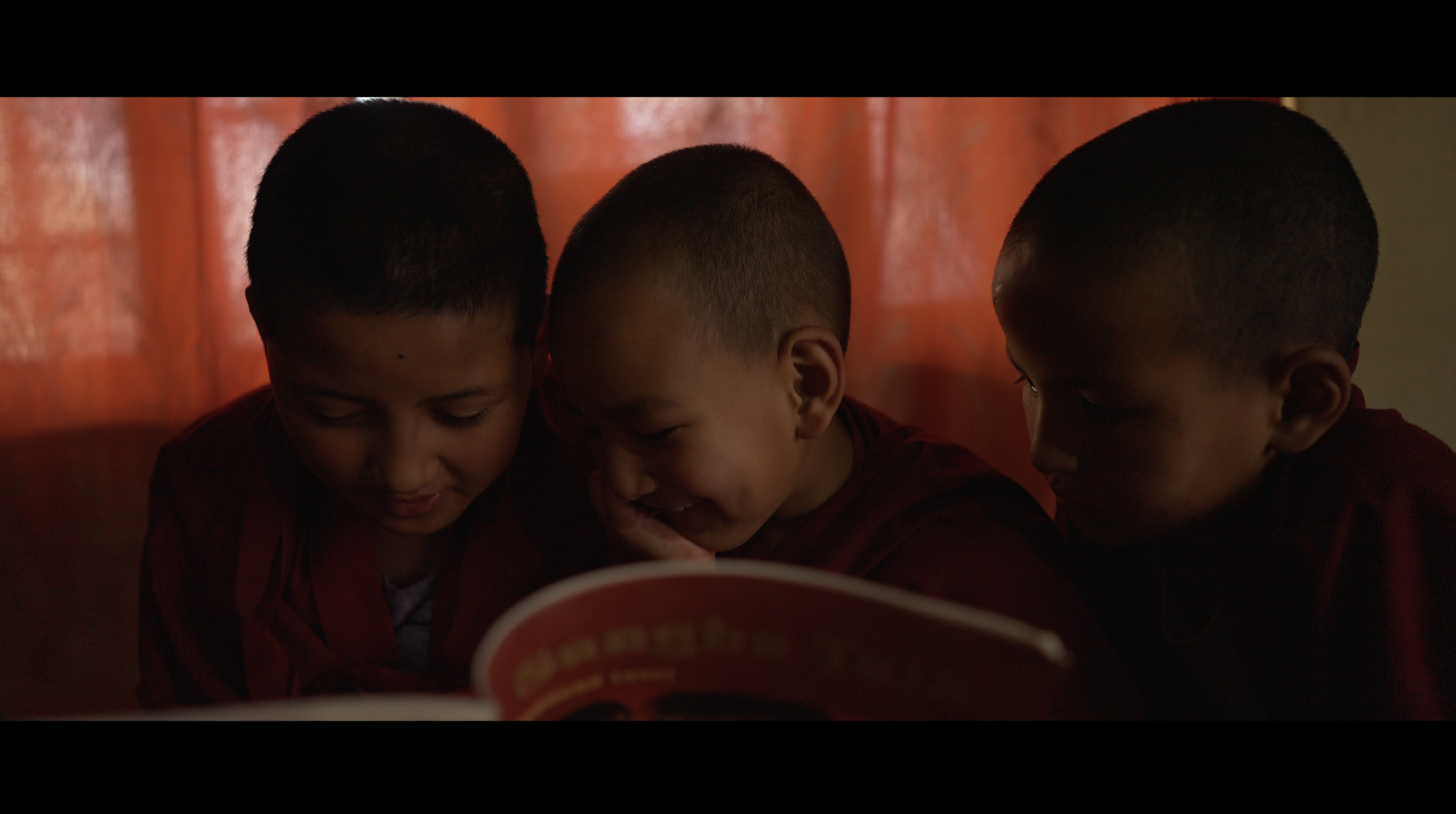
This project we want to help the nuns build more sleeping quarters, buy food and employ more teachers to help the girls in Spiti valley have a future, especially in education and empowerment.
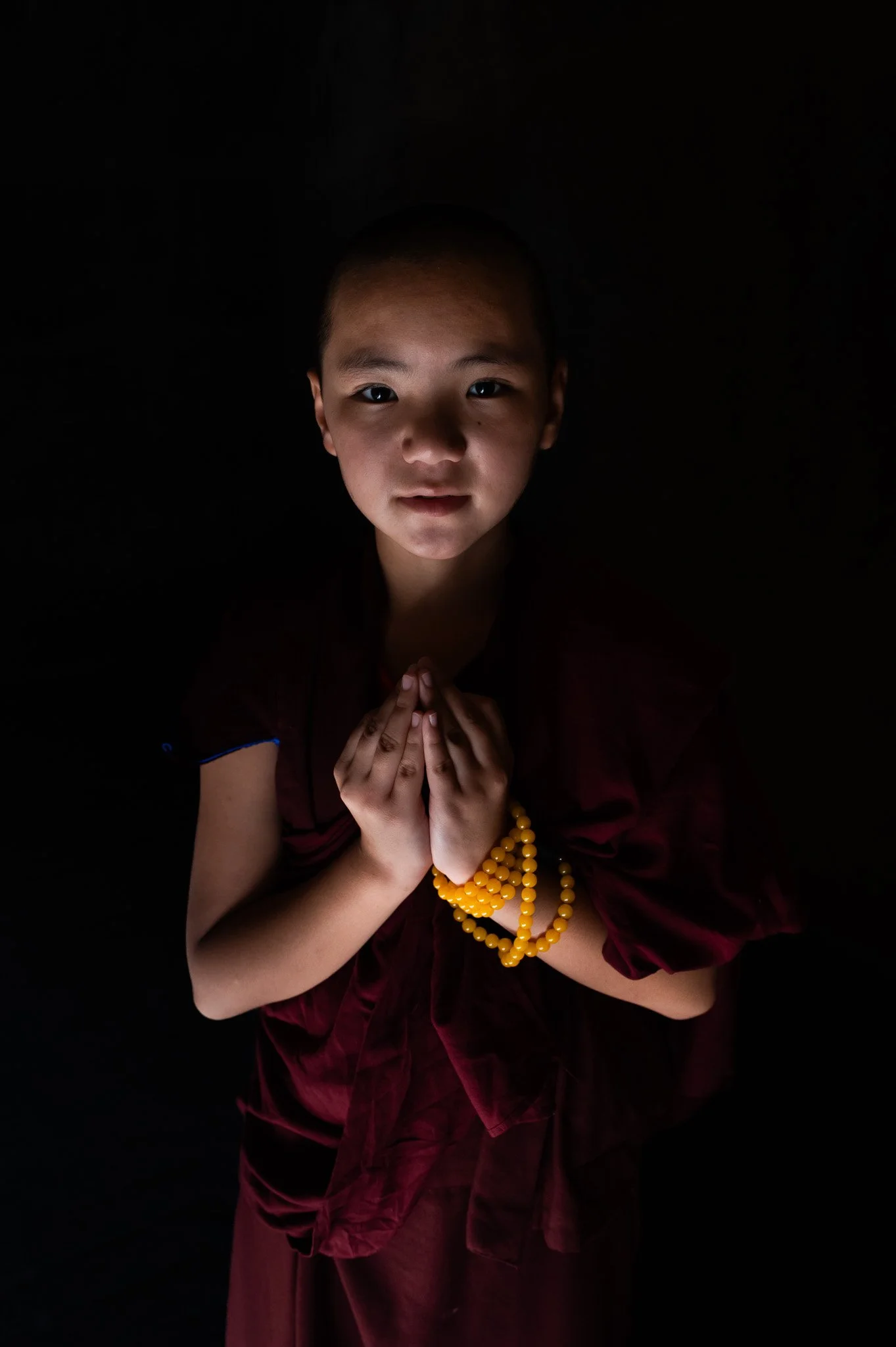
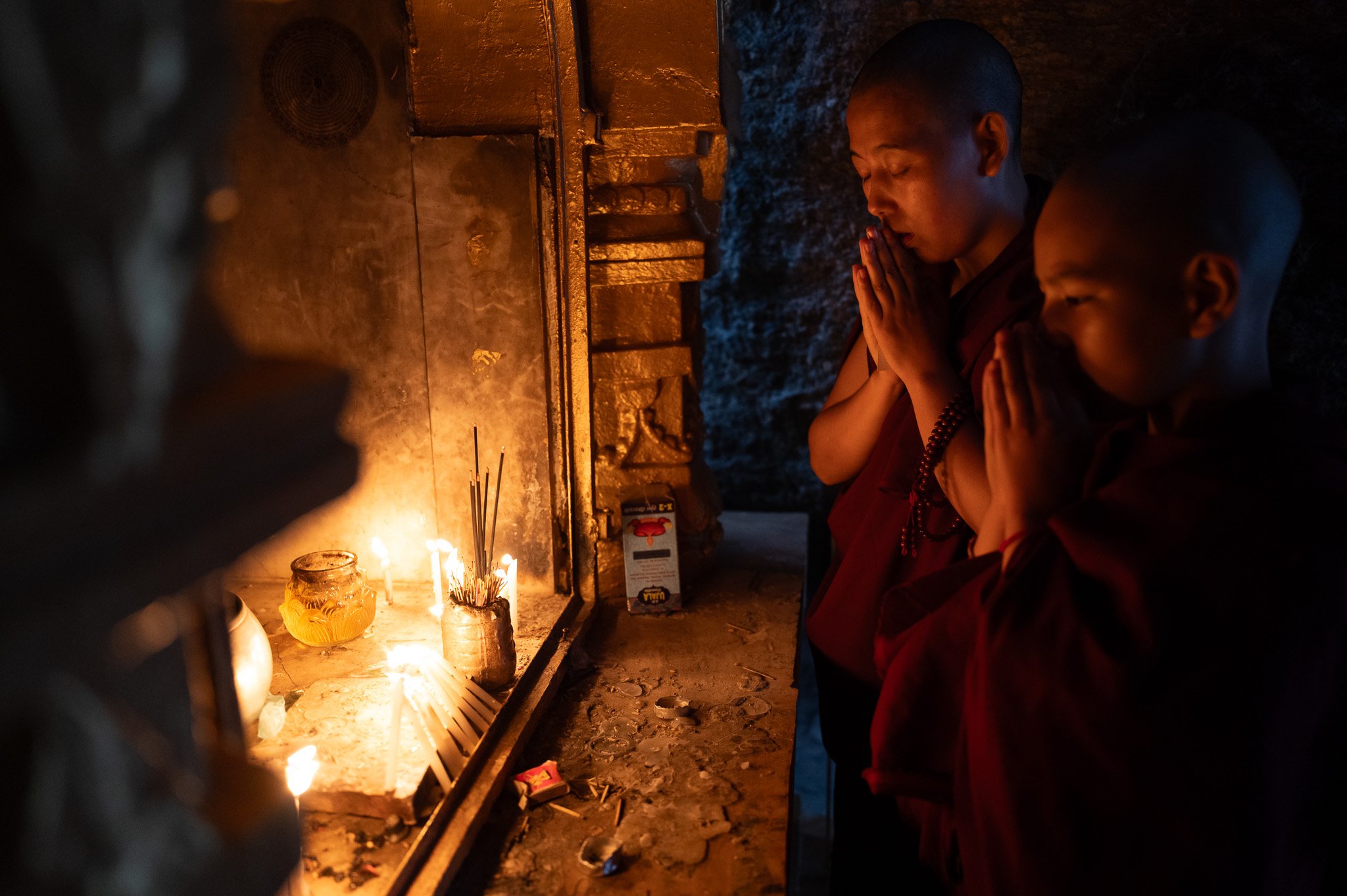
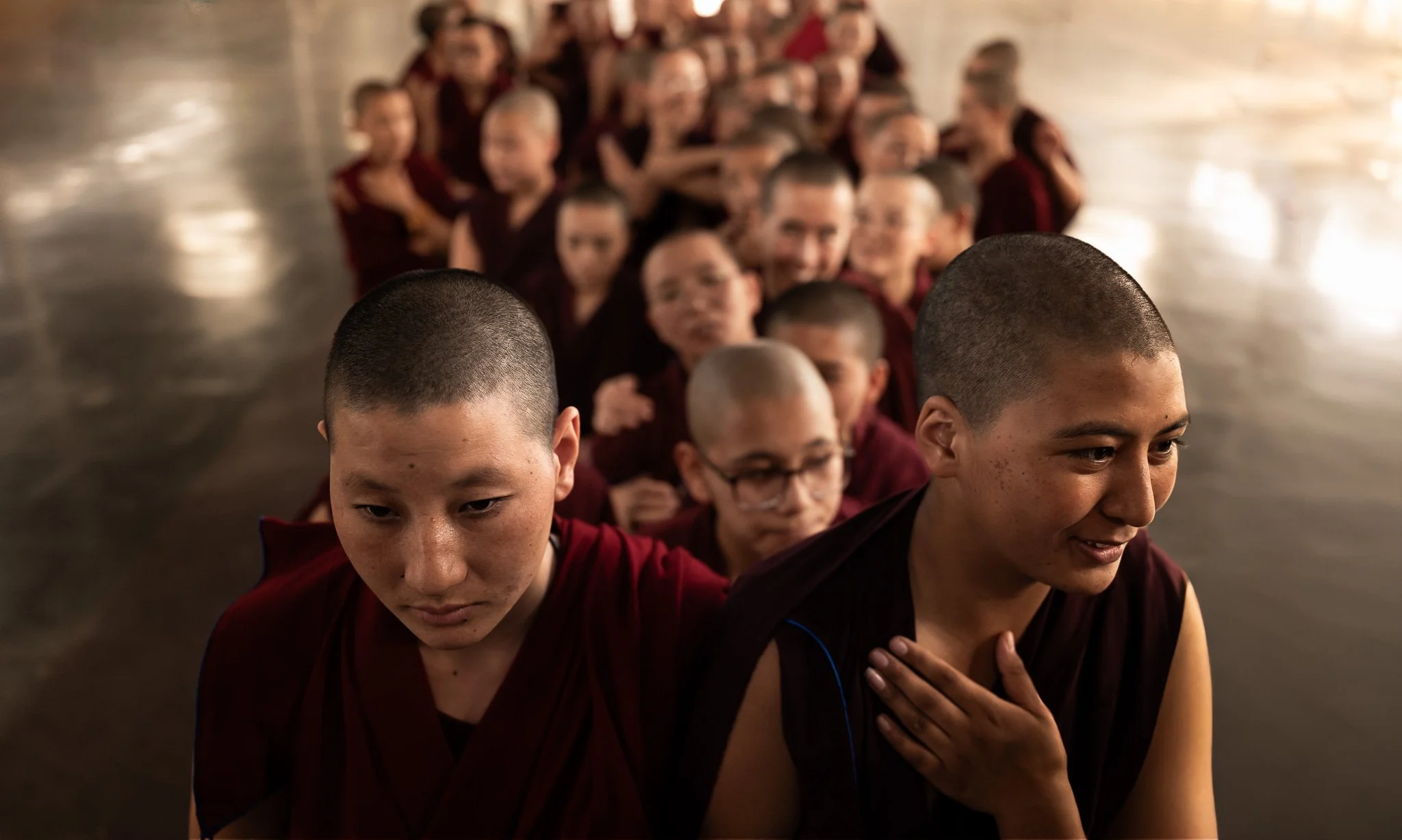
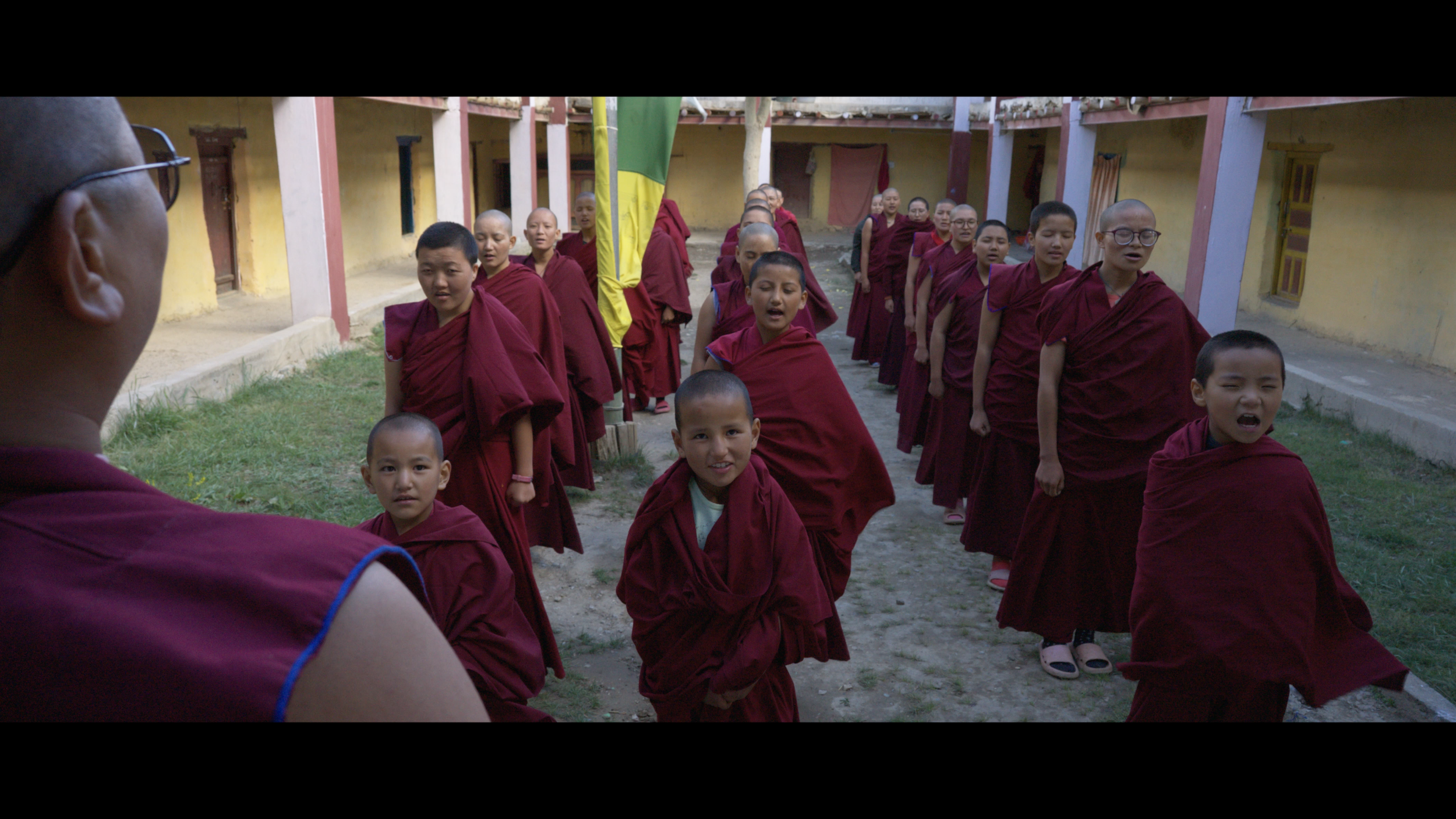
In 1985, a group of courageous young women from the village of Pangmo took the initiative to establish Yangchen Choling, the first Buddhist education project for women in Spiti India. Originally located in caves above the village, the nuns were gradually able to build a meditation hall, teachers' quarters, classrooms, and student housing with their own hands. Today, 48 nuns between the ages of 5 and 48 are enrolled in education programs at the monastery.
In 1972 there were no Monasteries for nuns in the area for women who were keen to learn about Buddhism. There were seven nuns in our small village called Pangmo. As we were interested in the Buddhist studies we requested a renowned monk Kachen Dugyal of Kee monastery to acknowledge us in the field of Buddhist studies. We took basic knowledge for two years. One day in discussion we came up with an idea of setting up a nunnery for the well-being and for the benefit for all poor nuns who were willing to study in this field but have no facilities to achieve their dreams. No doubt it was a very good idea but we didn't have any funding for this beautiful dream of ours. With the kind guidance of our teacher and with the help of a few monks in our village we knocked door-to-door for donations in Spiti Valley to build a nunnery for us. By the amount collected from the donations we were able to build three small rooms and a toilet of mud in 1975. With the help of donors we were able to make a small shelter for us but we didn't have money for food so we were left with no option other than going back to our homes for food. On special religious days like Saka Dawa, Buddha Purnima, Golden Namchot etc. We used to bring a few grains from our homes and all the nuns prayed together. By the time the number of nuns increased to 12 as a few younger nuns also joined us for the religious path, slowly we were able to make a Puja hall for 12 months. We later on started living in the nunnery. The financial condition was not good but somehow we were able to feed our nuns twice a day. If I describe our conditions at that time it was like we had four beds for twelve Nuns. We used to put bricks in place of the pillow and cover the bricks with clothes so that it didn't hurt us. We requested the abode Monk Lobzang Paldon to teach us to read the prayer with rhyme. The number of nuns increased year by year but the living conditions were becoming a big issue. Somehow it needed a proper solution so we started collecting donations. We collected some money to fix up the problems of the shelter’s in the nunnery, we made rooms for the nuns, also doors, windows etc were brought as support from the families of the nuns. We also worked making the rooms. The rooms were ready in 1984 with the support of all volunteers and donors. twelve rooms with a big Puja hall. In the year 2000 we started teaching philosophy in our nunnery by Gen Jangchuk Phunstok and GenTsering Tash with no salary. Unfortunately we lost both teachers due to some illness. Our present teacher Gen Ghatso joined the nunnery in 2006. In 2008 a monk of our own-based village Gen Tsering Chopped joined as teacher but we lost him due to some health problems. The condition of the nunnery is much better due to the kindness of the government and sponsors. But it doesn't mean that we are not having problems. The helping hands of interested people and the community are welcomed.